
Why I am
Why does the world seem to lack enough leaders who actually make it more awesome—especially in faith communities and nonprofits that should be leading this charge?
Most people can tell you what they do and how they do it. But ask them why they exist, and you'll get silence.
I've landed on the tagline "Why I am" for my research on purpose. This goes beyond Simon Sinek's "Start with Why"—it's not about why your organization exists, but why YOU exist.
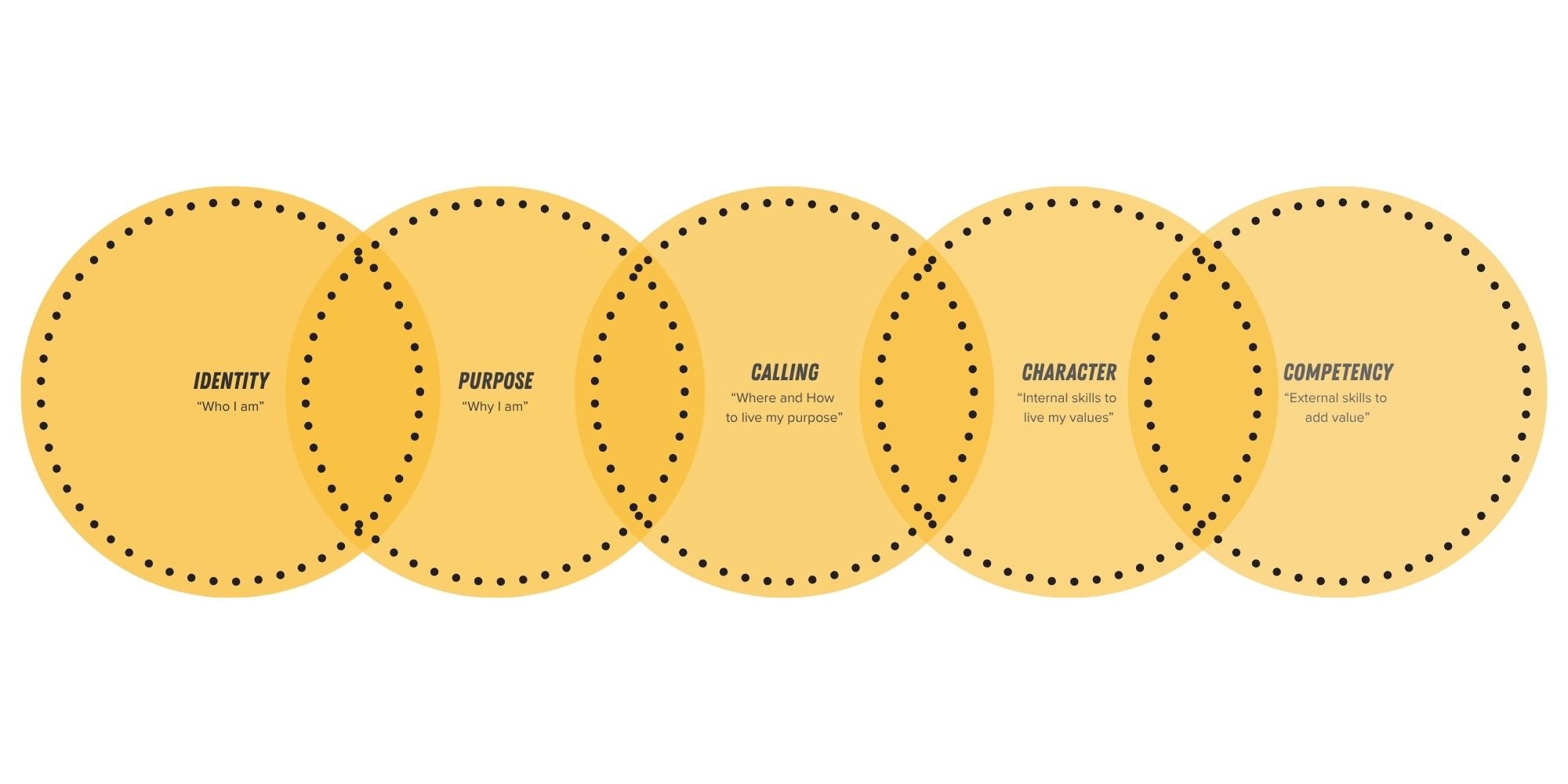
My early and developing hypothesis: due to cultural and technological shifts, most people don't know their identity, don't understand their purpose, and because of this, lack security in their calling and can't maximize the development of their character and competency.
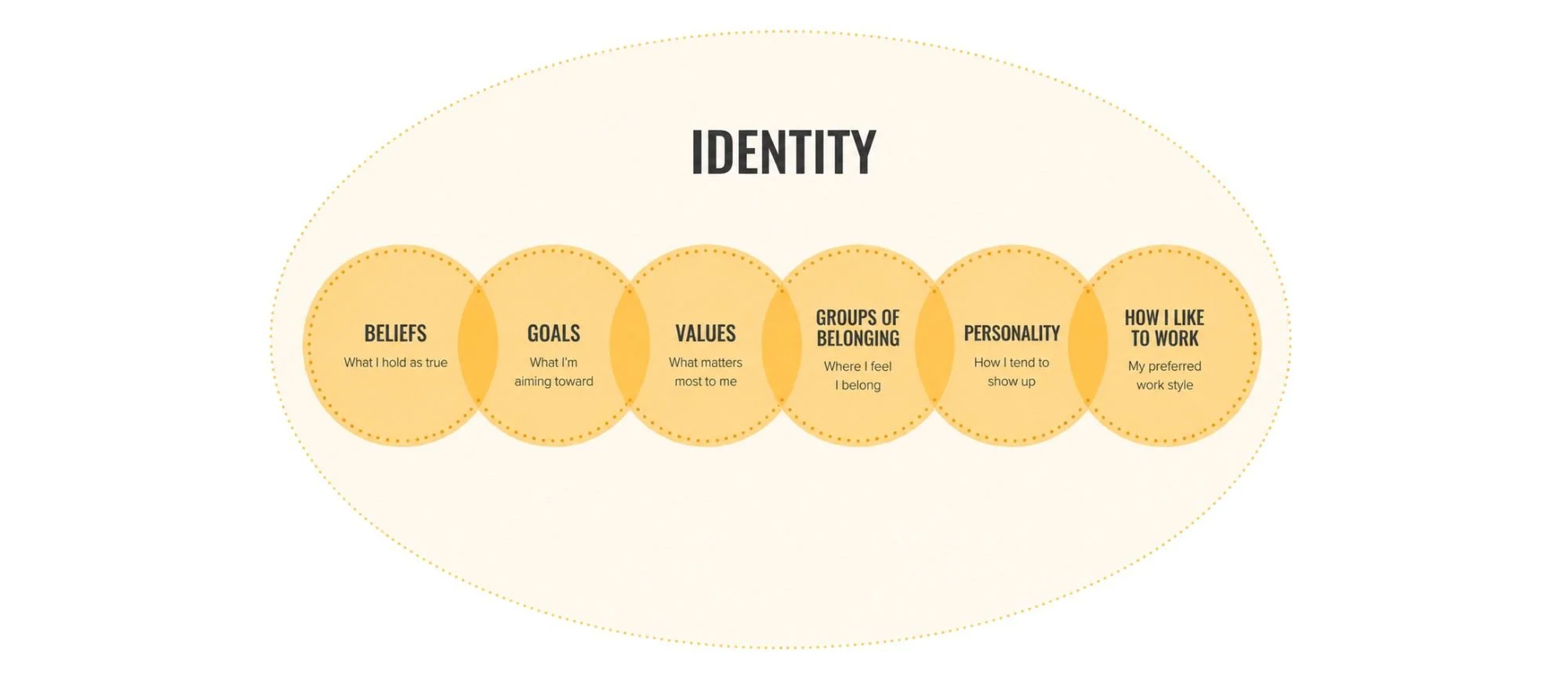
I've broken identity down into a combination of beliefs, goals, values, groups of belonging, personality, and how you like to work.
I'm beginning to see purpose as the real why to our existence. Secular research has repeatedly shown that having a sense of purpose leads to improvement in physical and emotional health as well as increased career or job performance. Knowing why you are makes you better, and everyone seems to agree on this.
WHAT CURRENT RESEARCH SHOWS
Social science in the United States breaks purpose down into two types: self-related and transcendent. The first includes our own goals, growth, and desires; the second is purpose beyond ourselves. Chinese scientists break purpose into three aspects: professional, moral, and social. This differentiation makes sense within a shame and honor culture.
While culture is an important aspect of behavior, I am convinced that there is a systematic design to purpose that transcends culture.
Last year, Heine, Folk, and Mask conducted groundbreaking research starting with 2,000 Americans, then expanding to Poland, Japan, and India. Using 1,048 survey responses, they identified 16 different human purposes, including self-improvement, family, relationships, religion/spirituality, recognition, happiness, material wealth, positive impact, mattering, service, and perseverance (among others).
While I appreciate their research—it's some of the only empirical work on purpose categories—I believe their worldview leaves their findings flat. "Internal standards" (knowing who you are and what you stand for) seems beneficial, but fails to strike me as something that would justify eternal design or explain why a human being exists. Their categories describe what people pursue, but not what people were created for.
WHY A BIBLICAL FRAMEWORK GOES DEEPER
There is an absence of research on this topic, and I'm thankful for their work. Yet I think I am in the early development phase of a much deeper understanding of purpose, rooted in my Christian faith.
Ephesians 2:10 explains: "For we are his workmanship, created in Christ Jesus for good works, which God prepared beforehand, that we should walk in them."
If we are God's workmanship created for good works, then understanding our specific good works—our unique purpose pattern—isn't optional. It's discovering the why behind our existence.
Based on my early research, which included comprehensive analysis of every vocation listed in Scripture and correlating them with the recorded actions of Jesus in the four Gospels, I have initially identified 10 purpose patterns.
I am not yet sure how many or in what combinations these exist, but I am growing confident that you reading this have some combination of the following purposes. The more you know and understand them, the more you can structure your life for impact and enjoyment.
THE 10 PURPOSE PATTERNS
1. Truth-Bringer (teacher, prophet) - "I want people to know what is correct/true"
2. Healer-Restorer (physician, healer) - "I want people to be whole"
3. Protector-Deliverer (soldier, shepherd, advocate) - "I want what is to be safe"
4. Provider-Host (farmer, baker, host) - "I want people to have what they need"
5. Processer-Deliverer (refiner, priest) - "I want people to see what is real and become healthier"
6. Mercy-Comforter (priest, compassionate servant) - "I want people to feel comfort"
7. Messenger-Mobilizer (herald, defender) - "I want what is distant to become engaged"
8. Builder-Crafter (architect, craftsman) - "I want structure and order"
9. Beauty-Maker/Meaning-Maker (artist, storyteller) - "I want hidden glory to become visible"
10. Refiner-Reformer (judge, prophet, restorer) - "I want what is broken fixed"
WHAT'S NEXT
I am deep into learning about purpose and plan to correlate what I'm seeing with the limited research that exists. In the coming months, I'll be creating an assessment to help you discover your purpose pattern.
I'm confident that we can take all of this and make the world more awesome by helping people know who they are, why they are, and how to best live that why.
I'm taking the next two weeks off for vacation, but will be reading The Purpose Code while spending time with my family. When I return, the research continues.
Until then, ask yourself: Why am I?
---
RESEARCH NOTE: The full list of Mask, Folk & Heine's 16 purpose categories and detailed methodology comparison is available upon request. Their open-access data can be found at https://osf.io/cy7wh/